Cat Archetype
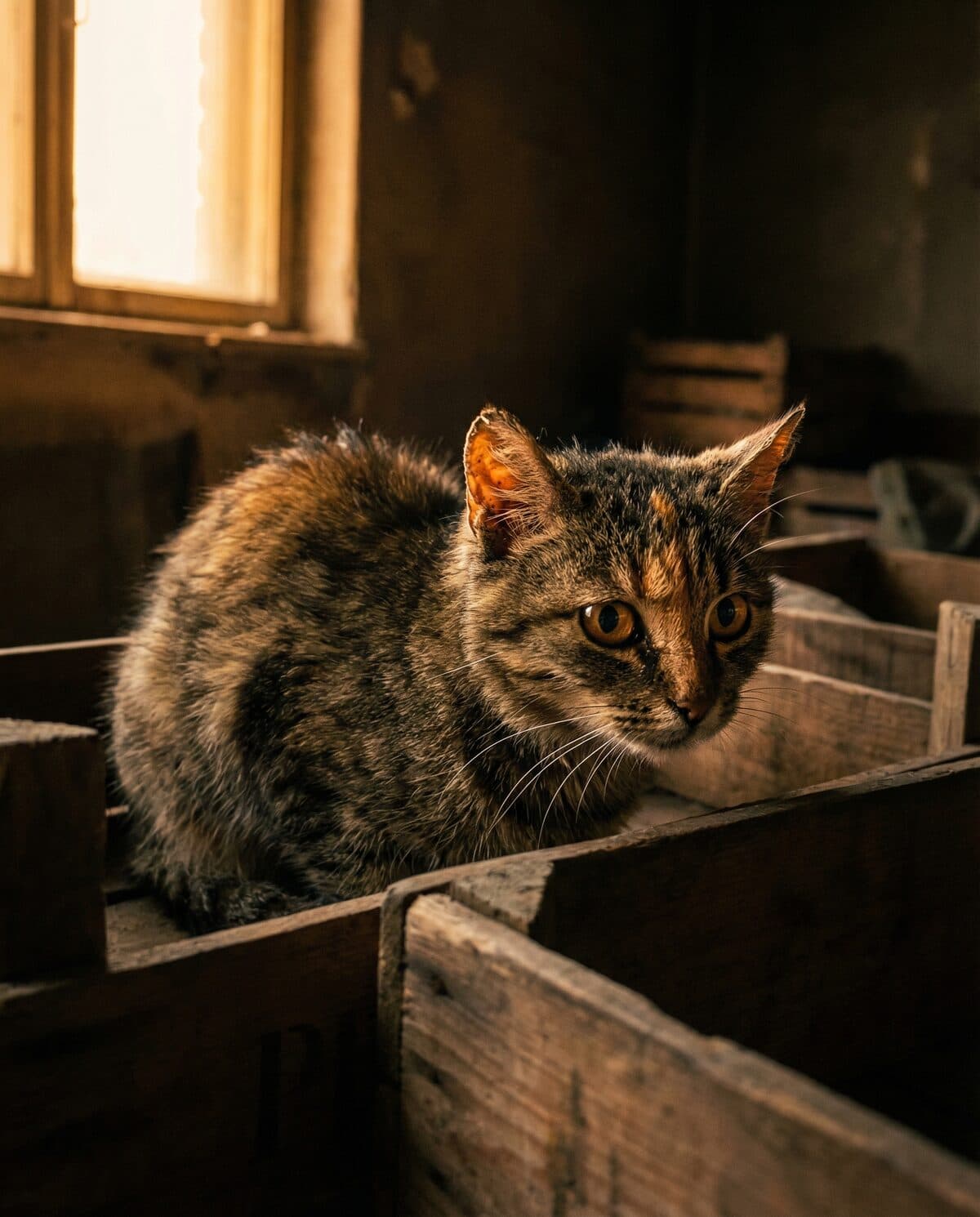
The Wild at Heart
Your cat isn't broken — they're operating on a different trust timeline
Is This Your Cat? Take the Free QuizUnderstanding The Wild at Heart
You've had this cat for two years. In those two years, you have perhaps touched them three times — twice accidentally, once when they permitted it briefly while you were sitting very still reading a book and seemed for a moment to forget to be afraid. You've watched them watch you from across the room with something that looks like longing, and yet the moment you turned your head toward them, they were gone. You feel like you've failed. You haven't. You are living with a Wild at Heart, and the relationship you have with them — even if it looks nothing like what you imagined — is more significant than you know.
The Wild at Heart is a cat whose experience with humans has been insufficient, negative, or overwhelmingly frightening during the critical socialization window — the seven-to-fourteen-week period in early kittenhood when the feline brain is specifically calibrated to decide whether humans are safe or dangerous. A kitten who has minimal positive human contact during this window may never fully close the gap. Feral cats and their offspring, cats from chaotic or abusive environments, cats who were separated from humans too early or too late — these cats carry a threat-register toward people that is neurologically embedded at a deep level. Some cats who appear this way also have early trauma without a feral background. What they all share is a system that says: humans are unpredictable, and the safest strategy is distance.
The critical error that owners of Wild at Heart cats make most consistently is attempting to speed the process — reaching for the cat, cornering them, picking them up to force positive association, interpreting slow progress as failure. Every one of these moves resets the trust timeline to zero. The only path forward with a Wild at Heart is radical patience, the complete elimination of pursuit, and the meticulous construction of a situation in which the cat freely chooses contact. The 12-week protocol is not about making your cat into an affectionate lap cat. It is about building the conditions in which your specific cat, on their own terms and timeline, discovers that you are the safest thing in their world.
Signs Your Cat Is Wild at Heart
Hides from all humans including the owner for extended periods
Allows zero physical contact — hisses, swats, or flees at any reach toward them
Freezes into complete stillness rather than engaging or fleeing
Shows interest in food but refuses to eat unless alone and unobserved
Warms up glacially slowly over months or years, then resets from a single negative event
Moves through the house only at night or when the household is completely still
Common Behaviors You Might Recognize
- 🐱Disappearing for days when a new person visits, even if that person does nothing threatening
- 🐱Hissing and swatting at the owner's hand despite years of cohabitation
- 🐱Watching the owner from a distance with apparent interest but retreating the moment eye contact is made
- 🐱Eating only from bowls placed in corners where exits are visible
- 🐱Emerging fully at 2am to explore when the house is empty and quiet
- 🐱Showing affection via proximity — sleeping nearby but out of reach — with no tolerance for physical touch
💪 Strengths
- Deeply observant and reads environments with extraordinary perceptiveness
- Highly self-sufficient and independent — does not suffer from separation anxiety
- When trust is eventually established, the bond formed is remarkably deep and meaningful
- Resilient in their own way — has survived on their own terms through great difficulty
⚠️ Challenges
- Veterinary care becomes a serious challenge requiring sedation or extended preparation
- The timeline to basic trust is very long and easily disrupted
- Owners often feel rejected and struggle to find meaning in the relationship
- Trauma history (where present) creates complex, layered behavioral responses
The 12-Week Training Plan
Environmental audit — ensuring the cat has sufficient hiding options with full sight lines
Eliminating pursuit — all human approaches stop; the cat must choose all proximity
Scent familiarity protocol — using worn clothing, slow blink practice, floor-level presence
The "boring human" technique: being present without engagement to build ambient safety
Food-lure proximity extension: using high-value treats to voluntarily reduce distance
Slow blink and averted gaze communication as trust signals
Identifying the cat's unique threshold markers and respecting them precisely
The first voluntary touch — waiting for and recognizing the cat's invitation
Building a desensitization ladder for veterinary handling needs
Enrichment that engages without requiring human interaction: puzzle feeders, window access
Managing regression — what to do when progress collapses after a stressor
Redefining success: celebrating proximity, eye contact, and choice — not only contact
Not Sure If This Is Your Cat?
Take our free quiz to discover your cat's exact behavioral archetype and get a personalized 12-week plan.
Take the Free Quiz →The 5 Cat Behavioral Archetypes
The Anxious Homebody
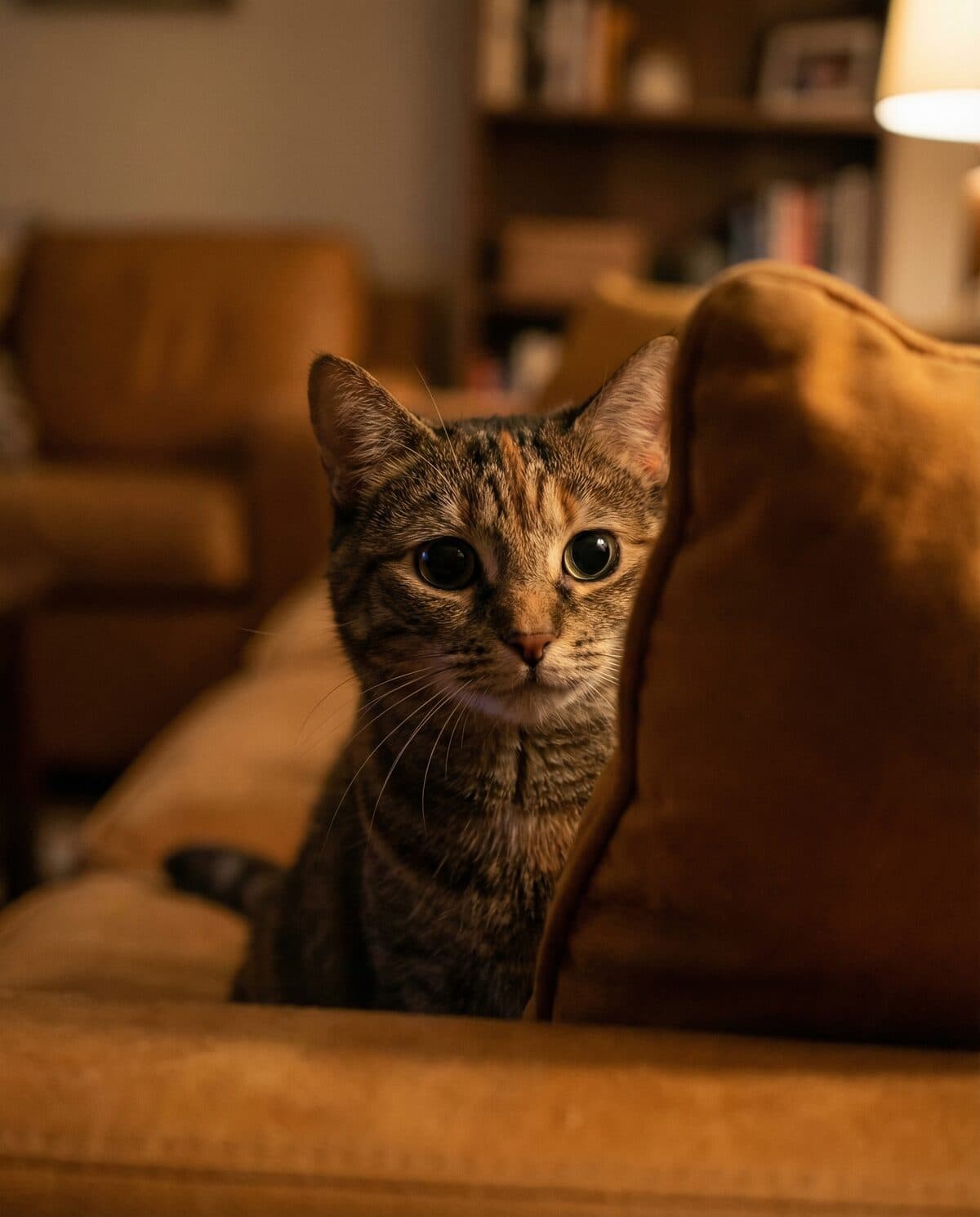
Your cat isn't antisocial — they're overwhelmed
The Territorial Guardian
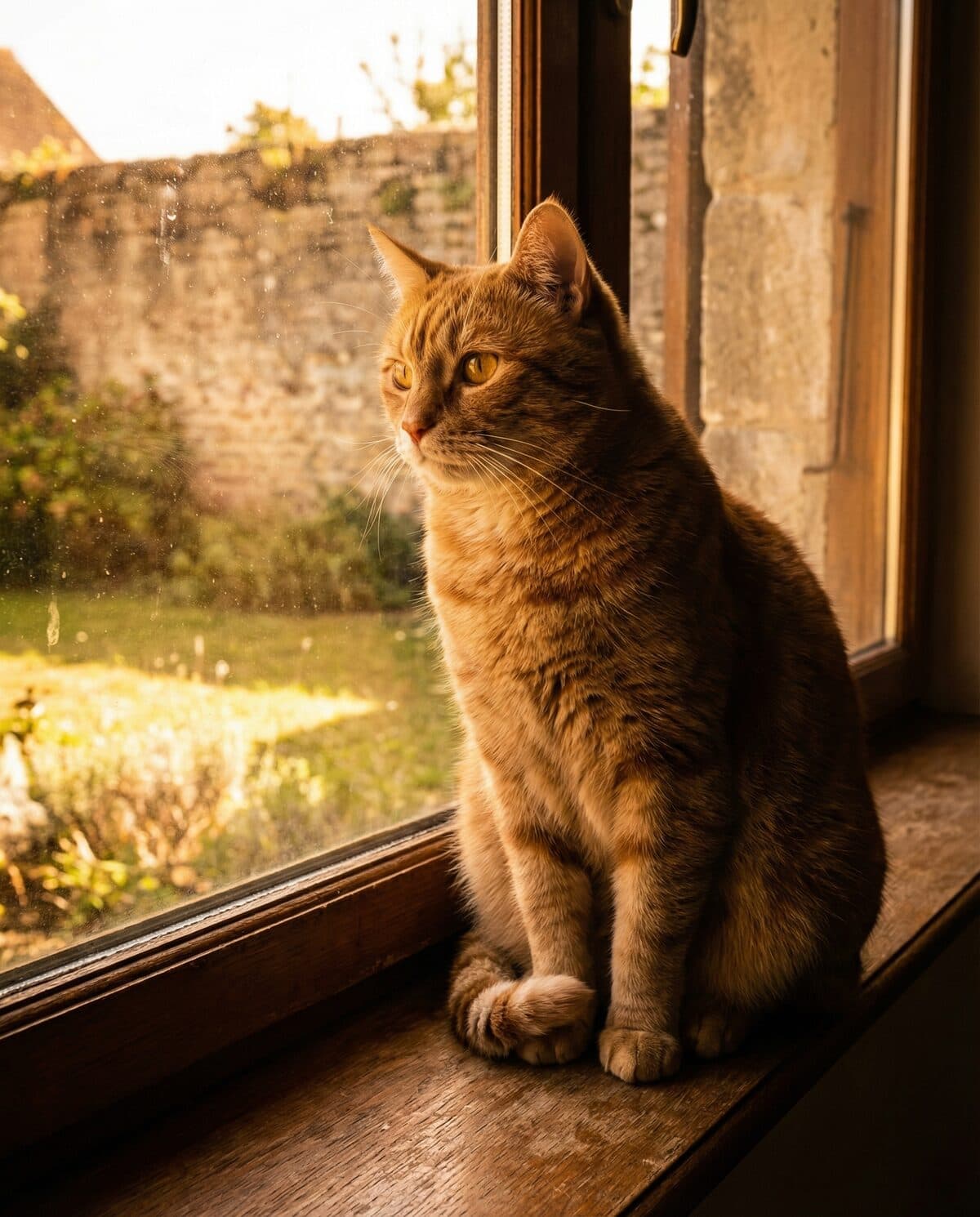
Your cat isn't mean — they're fighting for what they believe is theirs
The Overstimulated Hunter
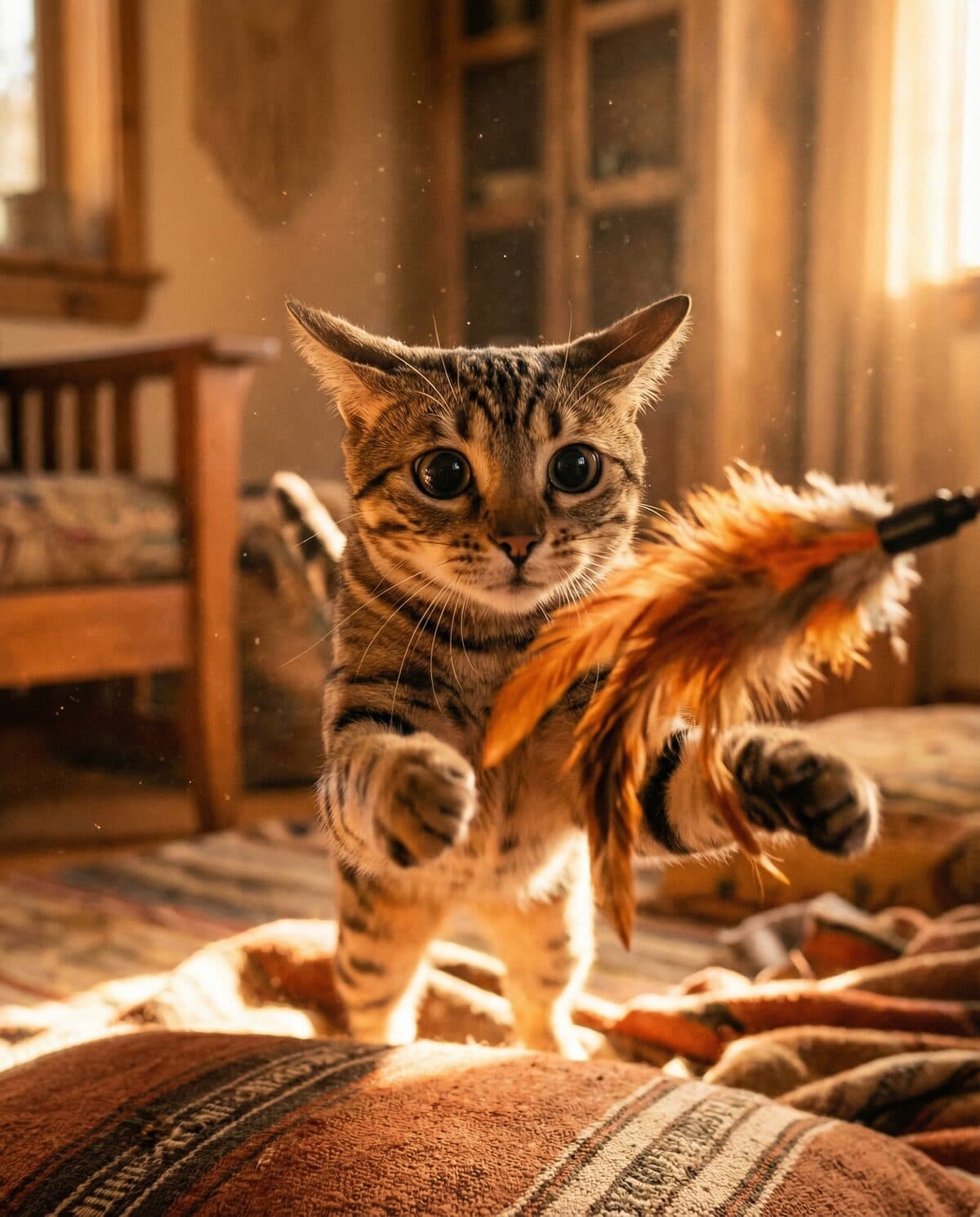
Your cat isn't aggressive — they're speaking the language of the hunt
The Velcro Shadow
Your cat doesn't need space — they need to feel safe when you leave