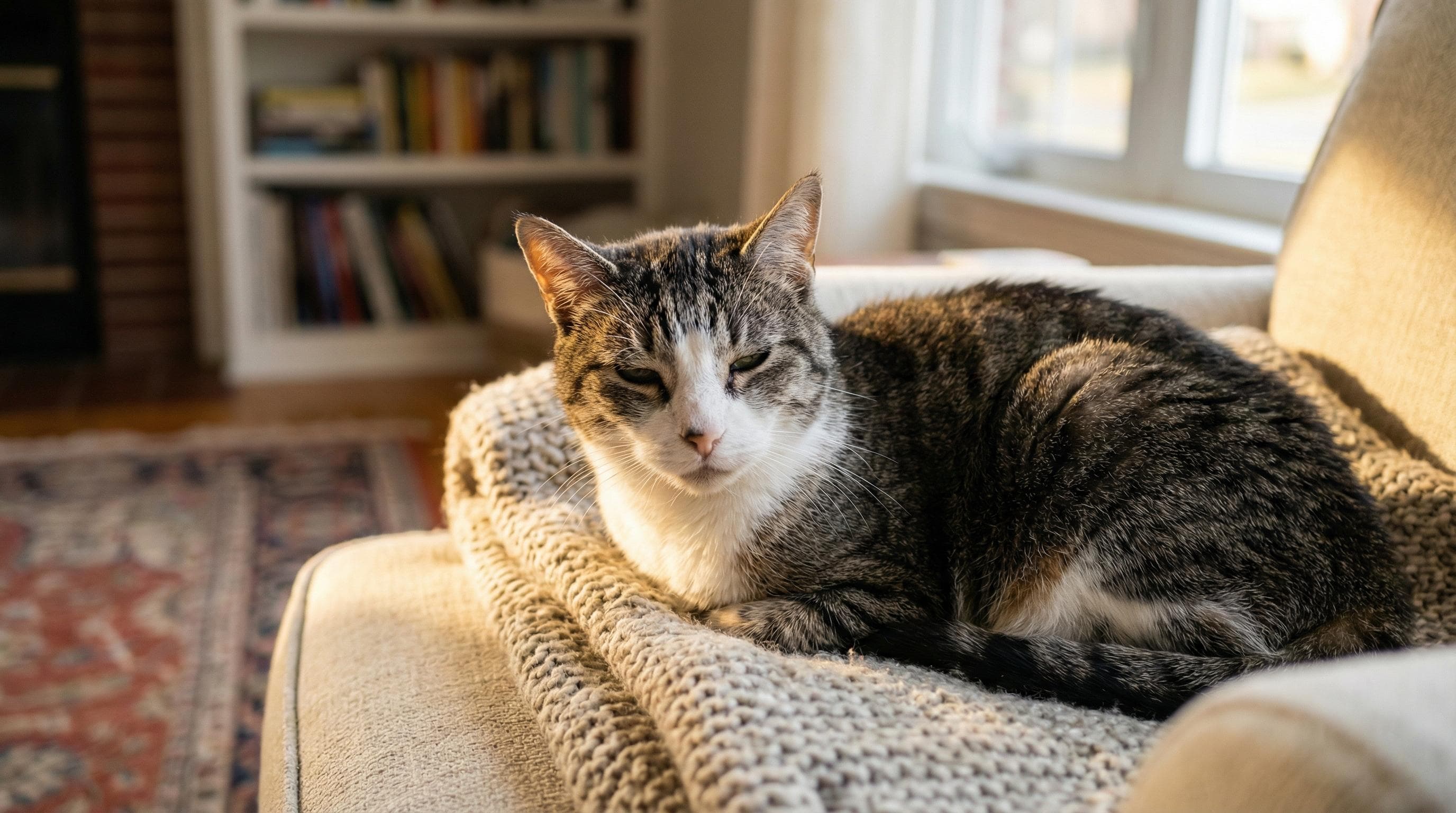
Your once-energetic cat who used to race through the house and leap to the top of the refrigerator now sleeps 20 hours a day and can barely jump onto the couch. Your cat who was fastidious about their litter box is now having accidents. Your social, affectionate cat is suddenly hiding and seems confused.
Watching your cat age can be heartbreaking, especially when you don't know which changes are normal and which need medical attention. This guide will help you tell the difference.
When Is a Cat Considered Senior?
Cats are generally considered senior at age 11, though this varies by breed and individual health. A general age comparison:
- 7 to 10 years: Mature adult (equivalent to 44 to 56 human years)
- 11 to 14 years: Senior (60 to 72 human years)
- 15+ years: Geriatric (76+ human years)
Normal Age-Related Changes
Decreased Activity
Senior cats naturally slow down. They play less intensely, sleep more, and are less interested in exploring. This is normal as long as the decrease is gradual, not sudden. They may still enjoy play but prefer shorter, gentler sessions.
Reduced Jumping Ability
Arthritis is incredibly common in older cats — studies suggest over 90% of cats over 12 have some degree of joint disease. You'll notice your cat hesitating before jumps, choosing lower resting spots, or no longer jumping onto surfaces they used to access easily.
What to do: Add ramps or steps to favorite spots. Lower food and water bowls if they were elevated. Use a litter box with lower sides for easier entry.
Changes in Sleep Patterns
Senior cats often sleep more during the day and may be more active at night. Some reversal of the normal sleep-wake cycle is common with aging.
Increased Vocalization
Many older cats become more vocal, especially at night. This can be due to reduced hearing (they can't hear themselves as well), confusion, anxiety, or discomfort. While some increase is normal, excessive or distressed vocalization warrants a vet visit.
Coat Changes
Older cats may groom less effectively, leading to a duller, matted coat. Reduced flexibility makes it harder to reach certain areas. Regular brushing helps maintain coat health and is a bonding opportunity.
Warning Signs That Need Veterinary Attention
Sudden Weight Loss or Gain
Gradual weight loss over years is normal in aging. Rapid weight loss (visible within weeks) is not. Common causes in senior cats include hyperthyroidism, kidney disease, diabetes, and cancer. Similarly, sudden weight gain can indicate fluid retention or metabolic issues.
Changes in Eating or Drinking
Increased thirst and urination are classic signs of kidney disease, diabetes, or hyperthyroidism — all common in senior cats. Decreased appetite can signal dental pain, nausea, or systemic illness.
Litter Box Problems
If your previously reliable cat starts having accidents, don't assume it's behavioral. In senior cats, the most common causes are:
- Arthritis (pain getting into the box)
- Kidney disease (increased urgency)
- Cognitive decline (forgetting where the box is)
- Urinary tract infections
- Diabetes
Disorientation or Confusion
Staring at walls, getting "stuck" in corners, forgetting where food is, or not recognizing familiar people — these are signs of Cognitive Dysfunction Syndrome (CDS), the feline equivalent of dementia. CDS affects an estimated 50% of cats over 15 and 80% of cats over 16.
Behavioral Personality Changes
A dramatic shift in personality is always worth investigating:
- A friendly cat becoming aggressive → possible pain
- A social cat becoming withdrawn → possible illness or cognitive decline
- A calm cat becoming agitated → possible hyperthyroidism or pain
- An independent cat becoming clingy → possible anxiety or sensory loss
Cognitive Dysfunction Syndrome (CDS)
Feline CDS is more common than most owners realize, and it's often written off as "just getting old." Look for these signs (remember the acronym DISH):
D — Disorientation: Getting lost in familiar rooms, staring at walls, going to the wrong side of a door
I — Interaction changes: Withdrawing from family, becoming clingy, not recognizing familiar people
S — Sleep changes: Sleeping during the day, restless or vocal at night, reversed sleep cycle
H — Housesoiling: Forgetting litter box location or training, eliminating in unusual places
There's no cure for CDS, but early intervention can slow progression. Environmental enrichment, consistent routines, puzzle feeders, and certain supplements may help. Some cats respond to veterinary-prescribed medications.
Creating a Senior-Friendly Home
Easy Access Everywhere
- Ramps to beds, couches, and cat trees
- Lower-sided litter boxes (or entry cut out of one side)
- Food and water at ground level (unless that's harder for them)
- Multiple litter boxes on every floor of the house
Environmental Consistency
Senior cats, especially those with cognitive decline, are highly sensitive to environmental changes. Keep furniture in the same places, maintain routines, and introduce changes gradually.
Night Lights
Older cats may have declining vision, especially in low light. Night lights in hallways and near litter boxes help them navigate safely.
Heated Beds
Senior cats have a harder time regulating body temperature and tend to seek warmth. A heated cat bed or warming pad provides comfort and can ease arthritic joints.
Gentle Play
Senior cats still benefit from play, but adjust intensity. Slow-moving ground toys, gentle wand play, and puzzle feeders with easy difficulty levels keep their minds active without overexerting their bodies.
Regular Vet Checkups Are Non-Negotiable
Senior cats should see the vet every 6 months. Many senior cat diseases (kidney disease, hyperthyroidism, diabetes) are highly manageable when caught early but can become serious or fatal if missed.
Bloodwork, urinalysis, and blood pressure checks should be part of every senior cat wellness visit. These tests catch problems before symptoms appear.
Aging Doesn't Have to Mean Suffering
With the right care, many cats live comfortably well into their late teens and even twenties. Understanding the difference between normal aging and disease, adapting your home to their changing needs, and maintaining regular veterinary care can make their senior years truly golden.
Every cat ages differently based on their health, genetics, and underlying behavioral profile. Take the free cat archetype quiz to understand your cat's specific needs and get personalized recommendations for supporting them through every life stage.