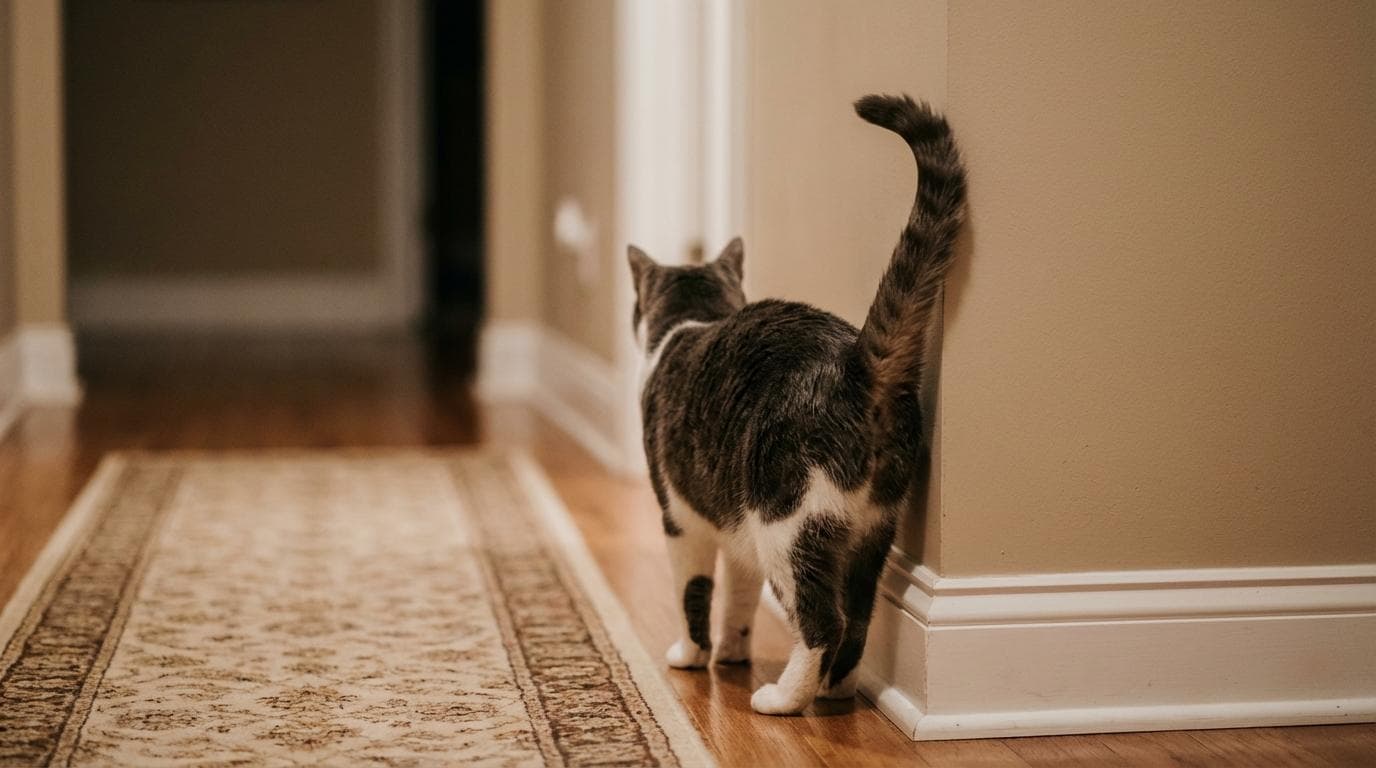
Cats are masters of disguise — and not just when they're hiding behind curtains. They're experts at hiding stress. In the wild, showing vulnerability could attract predators, so cats evolved to mask their discomfort. This means by the time you notice obvious signs of stress, your cat may have been suffering for weeks or months.
Learning to spot the subtle, early signs of stress can prevent behavioral problems, health issues, and a lot of unnecessary feline suffering.
Why Stress Matters for Cats
Chronic stress doesn't just make your cat unhappy — it actively damages their health. Stressed cats have suppressed immune systems, making them more vulnerable to illness. Stress is linked to feline lower urinary tract disease (FLUTD), inflammatory bowel disease, skin conditions, and even shortened lifespan.
Addressing stress isn't optional self-care for your cat. It's essential healthcare.
The 12 Signs
1. Changes in Eating Habits
Both overeating and undereating can signal stress. Some cats lose their appetite entirely when stressed. Others stress-eat, seeking comfort from food. A change in either direction — especially if it's sudden — is worth noting.
2. Over-Grooming
Stressed cats often groom excessively, particularly on their belly, inner thighs, and forearms. This can progress to hair loss and even raw, irritated skin. It's called "psychogenic alopecia" — essentially, anxiety-driven hair pulling.
The tricky part: cats often do this when you're not watching. You might only notice the bald patches.
3. Hiding More Than Usual
As we discussed in our article on hiding behavior, increased hiding is one of the most common stress responses. If your cat is spending more time under the bed, in closets, or behind furniture than usual, stress is a likely culprit.
4. Inappropriate Elimination
Urinating or defecating outside the litter box is one of the clearest stress signals — and one of the most frustrating for owners. Stress-related elimination often targets soft surfaces (beds, couches, laundry) or areas near doors and windows.
Always rule out medical causes first (UTI, kidney disease, arthritis making box access painful), but once medical issues are excluded, stress is the most common explanation.
5. Increased Aggression
A cat who becomes more aggressive — toward people, other pets, or both — may be telling you they're stressed. Stress lowers the threshold for aggressive responses, meaning triggers that your cat would normally tolerate become intolerable.
6. Excessive Vocalization
More meowing, yowling, or growling than usual can indicate stress. Some cats become noticeably louder, others develop a plaintive, urgent meow they didn't use before.
7. Changes in Body Language
Subtle but important:
- Tail held low or tucked more often
- Ears flattened or rotated backward
- Dilated pupils in normal lighting
- Crouched body posture
- Less frequent slow-blinking
- More alert, less relaxed resting positions
8. Decreased Play Interest
A cat who used to chase the wand toy enthusiastically but now ignores it may be stressed. Stress suppresses play behavior because play requires feeling safe — and a stressed cat doesn't feel safe.
9. Scratching Increase
Increased scratching on furniture, doorframes, or walls can signal territorial stress. Cats scratch to deposit scent markers, and when they feel insecure about their territory, they ramp up marking behavior.
10. Changes in Sleep Pattern
Sleeping more than usual (even for a cat) or sleeping in different locations can indicate stress. Some cats become restless instead, unable to settle into deep sleep.
11. Spraying
Urine spraying (vertical marking on walls, furniture, or doors) is different from inappropriate urination. It's a territorial stress response that says "I need to reinforce my boundaries because I feel threatened." Both male and female cats spray.
12. Digestive Issues
Stress can cause vomiting, diarrhea, or constipation. If your cat has intermittent digestive issues that don't correlate with diet changes, stress may be the underlying cause.
Common Stress Triggers
Knowing what triggers stress helps you prevent it:
- Environmental changes: Moving, renovation, new furniture, rearranged rooms
- Social changes: New pet, new baby, family member leaving, change in household routine
- Resource competition: Not enough litter boxes, food stations, or resting spots in multi-cat homes
- Outside threats: Stray cats visible through windows, construction noise, neighborhood changes
- Routine disruption: Changes in feeding time, your work schedule, or daily patterns
- Medical issues: Pain, illness, and medication side effects all cause stress
- Boredom: Insufficient environmental enrichment is a chronic stressor
How to Reduce Your Cat's Stress
Environmental Security
- Provide hiding spots in every room (even cardboard boxes work)
- Add vertical space (cat trees, shelves)
- Create multiple access routes to resources (no dead-end hallways to the litter box)
- Use Feliway or similar pheromone diffusers
Resource Abundance
- Litter boxes: one per cat plus one extra, in different locations
- Food and water stations: multiple, separated from litter areas
- Resting spots: variety of heights, temperatures, and levels of enclosure
- Scratching posts: multiple, in different orientations and materials
Routine and Predictability
- Feed at the same times daily
- Play at the same times daily
- Maintain consistent household routines
- Introduce changes gradually whenever possible
Interactive Play
- Minimum two sessions daily
- Mimics the hunt-catch-eat-groom-sleep cycle
- Provides physical exercise and mental stimulation
- Builds confidence in anxious cats
Social Management
- Never force interactions with people or other pets
- Let your cat choose when and how to engage
- Provide escape routes from social situations
- In multi-cat homes, ensure each cat has private territory
When to Get Professional Help
Consider consulting a veterinary behaviorist if:
- Stress symptoms are severe or worsening
- You've addressed environmental factors without improvement
- Your cat is losing weight, developing skin lesions, or showing other health effects
- Stress is manifesting as aggression that puts people or other pets at risk
Understand Your Cat's Unique Stress Profile
What stresses one cat may not bother another at all. A confident, territorial cat may be stressed by a new cat in the neighborhood but unbothered by house guests. An anxious cat may be stressed by house guests but indifferent to outdoor cats.
Understanding your cat's behavioral archetype reveals their specific stress triggers, their coping mechanisms, and the interventions that will actually help them. Take the free cat archetype quiz to identify your cat's personality type and get a personalized stress-reduction plan that targets their specific needs.